
Serenity House Counseling Services is a nonprofit substance abuse treatment provider in Addison, Illinois, serving the DuPage and Kane County communities. Founded in 1985 as a four-bed cottage on an abandoned farm, the organization has grown into a 107-bed residential facility with outpatient programming, sober living homes, and adolescent services. Serenity House describes itself as the only facility of its kind in DuPage County offering a 90-day extended residential care treatment program specifically for substance abuse recovery.
Treatment Programs and Clinical Approach
Serenity House provides an intensive outpatient program built around Acceptance Commitment Therapy, Cognitive Behavioral Therapy, and Dialectical Behavior Therapy. The program runs approximately five to seven weeks and consists of twenty to twenty-five sessions, with groups meeting Monday through Thursday in morning and evening time slots. Individual treatment, group therapy, support group attendance, and drug testing are incorporated throughout. Continuing care is available on the same schedule after primary treatment is completed. The organization also offers substance use evaluations, DUI services, and an outpatient evening program for adolescents struggling with substance abuse, held weekly on Tuesday evenings.
Residential Care and Recovery Homes
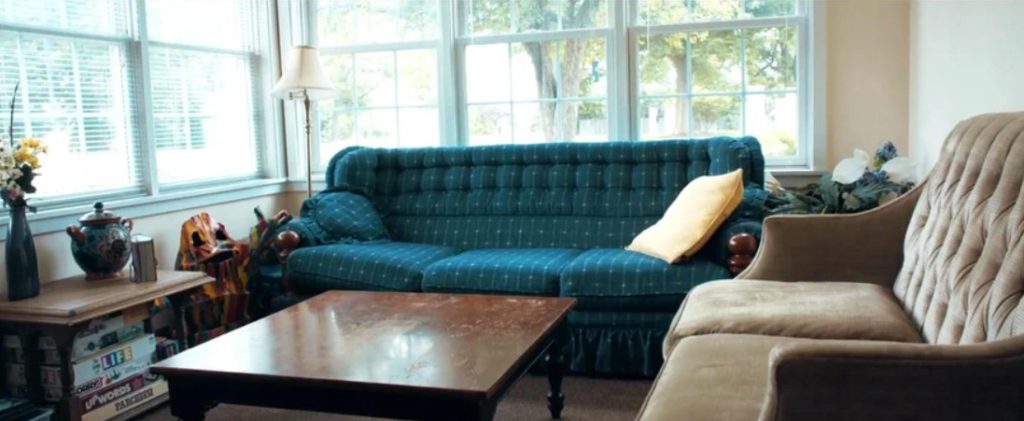
The extended residential care program provides a structured recovery environment for men and women in early sobriety, with stays of ninety days and the option to extend up to six months based on individual needs. Residents receive five to nine hours of clinical services weekly, including individual and group counseling, family education and counseling, 12-step meetings, relapse prevention training, life skills development, and discharge planning. The women’s program places particular emphasis on the unique physical, mental, social, and familial needs of women in recovery. Beyond residential care, Serenity House operates eight sober living homes across Addison, Batavia, Villa Park, and Naperville, with five serving men and three serving women. Residents in sober living attend a minimum of three support group meetings weekly and participate in recovery management group sessions with peers and counselors.