

Need Help Finding the Right Rehab For You?
✔ Complete Confidentiality
✔ Free Consultation
✔ Available 24/7
A rehab specialist will help you find a treatment.
Covered by Molina? Call now and we'll match you with a program that accepts it.
List of Rehabs in Alamance County, NC

Last verified on: 6 May 2026
Champs Counseling Center, LLC is an outpatient substance use support and education provider in Graham, North Carolina that offers structured services to help adults, including people navigating impaired-driving requirements, address alcohol or drug use while continuing with daily life responsibilities. The center focuses on assessments, education, and intervention strategies.
Rehab Settings
- Outpatient
Services Offered
- Assessment
- Drug Test
- Substance Abuse Counseling
Clientele Served
- Services for DUI/DWI Offenders
Trust Factors
- Client Testimonials
- Licensed Staff
845 S Main Street, Suite 202, Graham, NC
Key details about Champs Counseling Center
What are their business hours?
Monday to Thursday - 9am to 5pm
What professional/medical staff work at Champs Counseling Center?
Christa Graves, LCAS | Clinical Director

Last verified on: 6 May 2026
Little-Gerald Services operates a community-based outpatient location in Burlington, North Carolina, providing substance use and behavioral health support to adults, adolescents, and families across the Burlington area. The Burlington site delivers structured outpatient care, that brings together clinical assessment, counseling, education, and recovery support so clients can work on addiction and related behavioral concerns while staying engaged with work, school, family, and the routines of everyday life. Services are offered in both English and Spanish.
Rehab Settings
- Halfway House
- Intensive Outpatient Program (IOP)
- Outpatient
Services Offered
- Assessment
- Co-Occurring Disorders
- Community-Based Programs
- Drug Prevention and Education
- Substance Abuse Counseling
- Vocational Rehabilitation
Clientele Served
- Adolescents
- Adults
- Services for DUI/DWI Offenders
Languages
- English
- Spanish
1045 S. Church Street, Burlington, NC


Last verified on: 6 May 2026
Residential Treatment Services of Alamance, Inc. is a licensed, long-term residential addiction and mental health recovery program in Burlington, North Carolina that provides structured, 24-hour care for adults working to overcome alcohol or drug dependence, trauma, or co-occurring mental health concerns. Established in 1971 as Wesley Hall of Alamance, RTSA blends clinical stabilization, residential living, and recovery-oriented programming.
Rehab Settings
- Detox
- Long-Term Inpatient
- Medical Detox
- Short-Term Inpatient
- Sober Living
Services Offered
- Aftercare
- Co-Occurring Disorders
- Faith-Based
- Holistic
- Medication-Assisted Treatment (MAT)
- Twelve-Step
Payment Options
- AmeriHealth
- Blue Cross Blue Shield
- Low-Cost Options
- Medicaid
- NC Medicaid
- State Financing
Clientele Served
- Adults
136 Hall Avenue, Burlington, NC
Key details about RTSA
Does RTSA have a detox on-site?
Yes
What professional/medical staff work at RTSA?
Todd Perry, MSW | Facility Manager
Leon Burgess, LCAS

Last verified on: 6 May 2026
Life Changes, Inc. – Graham Office is a community-based outpatient support and recovery center in Graham, North Carolina that helps adults address substance use concerns, including DWI/DUI assessments, Alcohol and Drug Education and structured counseling, through outpatient therapy and education. It’s one of several Life Changes locations across the state offering confidential, scheduled services designed to work around everyday life and responsibilities.
Rehab Settings
- Outpatient
Services Offered
- Assessment
- DFW
- DOT SAP
- Drug Prevention and Education
- Drug Test
- Substance Abuse Counseling
- Workplace Drug Services
Payment Options
- Employee Assistance Programs (EAP)
Clientele Served
- Services for DUI/DWI Offenders
134 South Main Street, Graham, NC
Key details about Life Changes, Inc
What professional/medical staff work at Life Changes, Inc?
Gene P. Smith, SAP, SAE, LCAS, CCS, ICRC, CEAP-Certified | CEO and Founder
Licensed and/or certified counselors
Top Rehab Locations


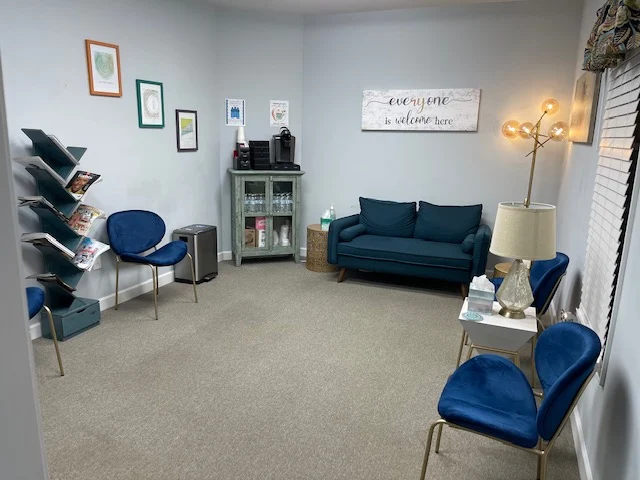
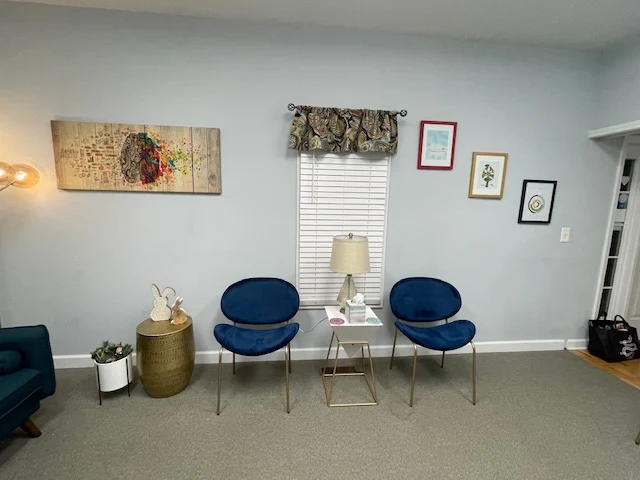
Last verified on: 6 May 2026
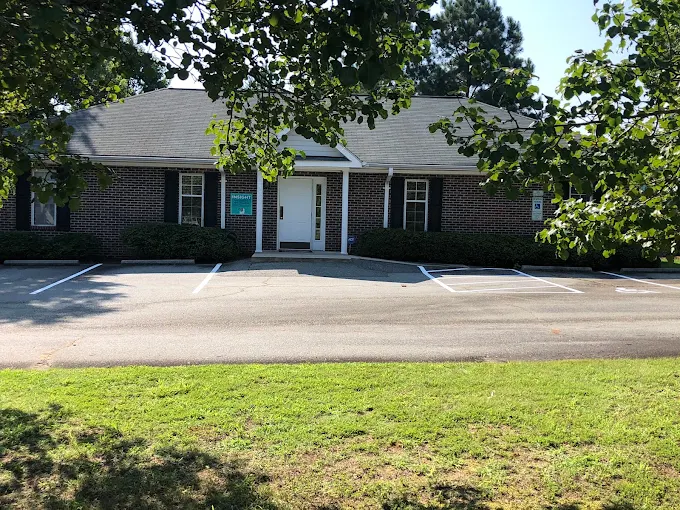
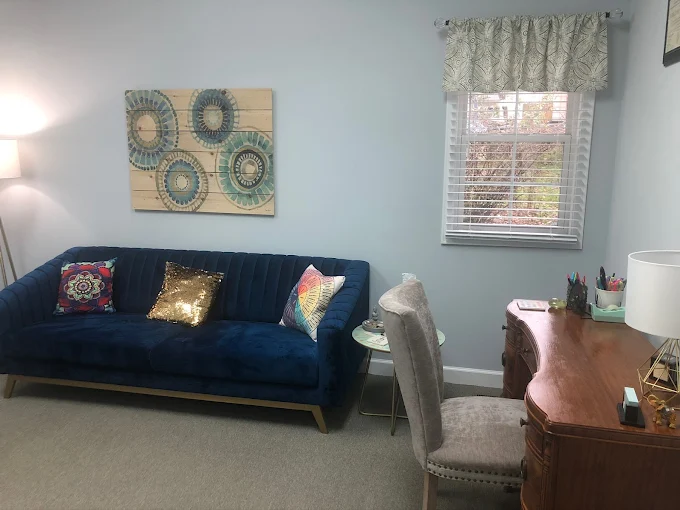
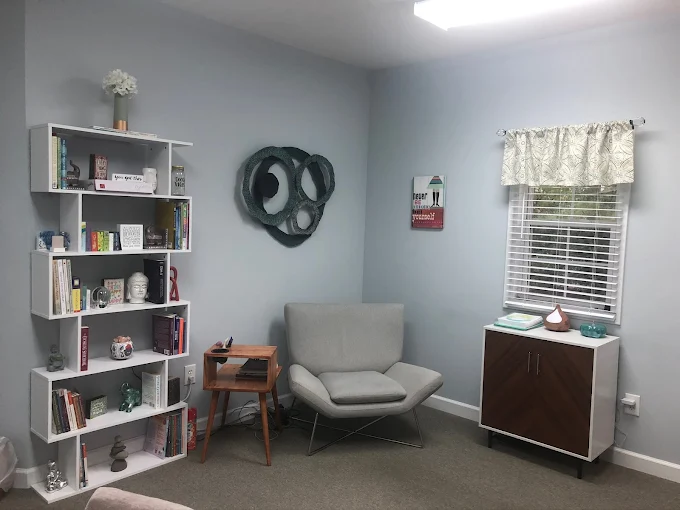
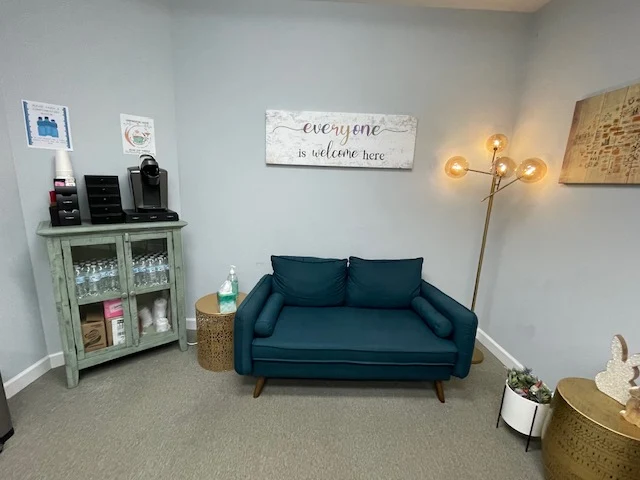
Insight Therapeutic & Wellness Solutions is an outpatient clinical counseling and wellness practice in Burlington that helps adults and couples work through substance use concerns, anxiety, trauma, relationship stress and life challenges through structured, evidence-informed outpatient therapy. With a team of licensed clinicians offering both in-person and online services, the practice focuses on coping skill development and emotional wellbeing within the flow of everyday life.
Rehab Settings
- Outpatient
Services Offered
- Substance Abuse Counseling
Payment Options
- Aetna
- Ambetter
- Blue Cross Blue Shield
- Cigna
- Self Payment
- UnitedHealthcare
Trust Factors
- Evidence-Based Approach
- Licensed Staff
2224 Lacy Street, Burlington, NC
Key details about Insight Therapeutic & Wellness Solutions
How much does Insight Therapeutic & Wellness Solutions cost?
$125 per visit
What professional/medical staff work at Insight Therapeutic & Wellness Solutions?
Julie Andrews, MA, LCMHC, NCC, CCATP, ACS
Kathleen Anderson, MS, LMFT
Courtney Cheek, MSW, LCSW, LCAS
Madison Byrd, LCMHC
Latasha Reddick, MSW, LCSWA
Rachel Wilson, LCSWA
Why Families Trust DRS
Independent Resource
100% independent with no treatment provider affiliations, we receive no compensation from providers to be included in our directory
Hands-On Experience
A combined 20+ years of hands-on experience getting people into and through treatment
Trusted by Millions
More than 15 million people trust DRS as a recovery resource
Expertise Backed by Research
Treatment listings backed by thousands of hours of research and a clear vetting process to ensure they are accurate, comprehensive, and meet our ethical standards
Education for Long-Term Recovery
We use our expertise to educate people with in-depth articles and our SUPE school programs, addressing the drug problem from all angles
Family-Owned Commitment
As a family-owned and operated organization, we bring personal dedication and long-term commitment to helping families recover
Frequently Asked Questions
Cost, stigma, denial, and limited availability are the barriers that come up most. Many people assume treatment is unaffordable, but options like sliding-scale fees, Medicaid, insurance coverage, and payment plans make it more accessible than most expect. For those in areas with fewer facilities or long waitlists, telehealth programs and outpatient care can fill the gap, and getting on a waitlist now while using interim support like community groups keeps you moving forward rather than waiting to start. Stigma and denial are harder to push past, but family involvement and peer encouragement can make a real difference when motivation is low.
Check whether the facility is licensed by the state and accredited by an independent body like CARF or The Joint Commission, as that's your baseline for quality. From there, ask about staff credentials, treatment approaches, medical support, family involvement, and what aftercare planning looks like. A program that can't clearly answer those questions, or that pressures you to enroll before you've had a chance to evaluate, is one worth passing on.
Start with the practical stuff: does the program accept your insurance, what are the out-of-pocket costs, and are payment plans available. Then get into the structure, including how long the program lasts, what therapies are included, whether family can participate, and whether detox and medical support are on-site. Just as important is what happens after: ask whether the center offers aftercare, outpatient follow-up, alumni support, or connections to sober living. Comparing centers on these specifics rather than just their websites is how you find the one that actually fits your situation.
Yes. Short-term programs, usually around 30 days, focus on stabilization and building a foundation, and they work best for milder cases with strong outside support. Longer programs of 60 to 90 days or more allow time for deeper therapeutic work, relapse prevention, and real practice with life skills, which tends to produce more lasting results for people with severe or long-standing addiction.


What types of addiction treatment are available in Alamance County, and how do I know which one fits my situation?
What does addiction treatment in Alamance County typically cost?
Where can I find naloxone in Alamance County?
Should you seek treatment in Alamance County, or look further away?
In Alamance County you can usually match the level of care you need without leaving, and that is a real advantage. There is nonprofit care locally covering medical withdrawal and medication support, so for a dangerous alcohol or benzo withdrawal you can stabilize locally. From there the county has sober living and halfway house programs that bridge the gap back to independent living. People skip that piece and then wonder why they relapsed. There is also bilingual counseling for those who can stay home. The sequence can run end to end here, medical withdrawal, a stay, then a step-down into sober living before you are fully on your own. That middle step matters. The people who jump straight from a locked-in program back to their old house and their old friends are the ones who relapse fastest. The halfway house here keeps that from happening, so do not skip it because you feel ready.
