


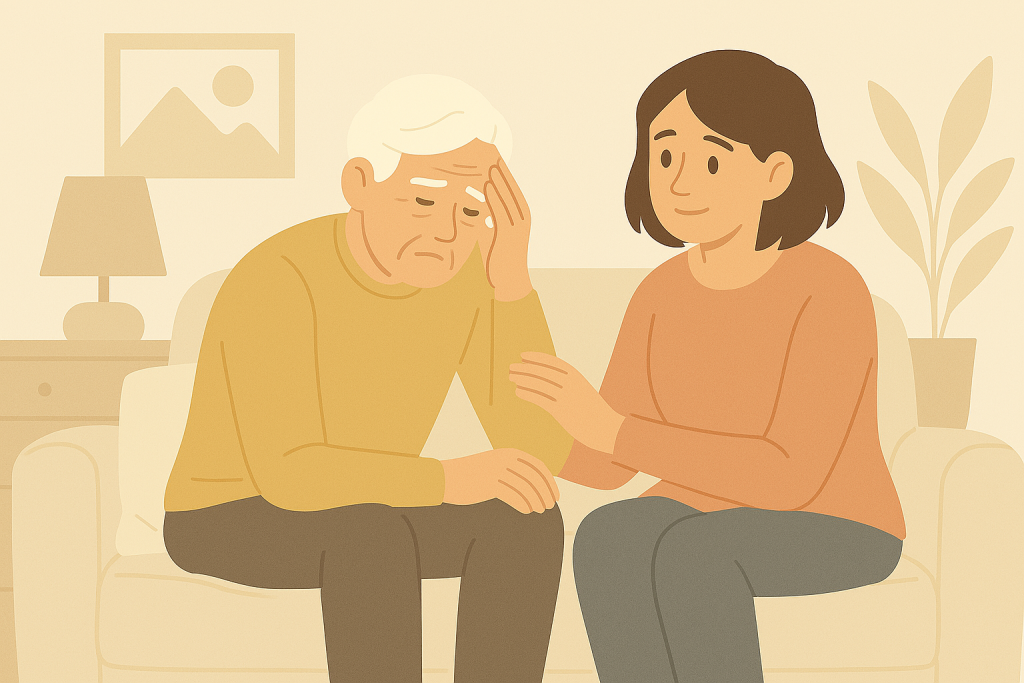
Substance use among seniors and older adults is often overlooked, but it’s a growing concern. Retirement, isolation, health issues, or the loss of a loved one can all contribute to substance use later in life. In many cases, the signs are subtle, and addiction may go unrecognized by family, caregivers, or even doctors.
Overview: Drug and Alcohol Treatment for Seniors and Older Adults
Why Seniors and Older Adults May Turn to Substance Use
- Chronic pain or long-term prescriptions
- Loss of a spouse, friends, or independence
- Retirement-related boredom or identity loss
- Loneliness, isolation, or lack of purpose
- Increased sensitivity to alcohol or medication
- Unintentional misuse of prescriptions
In this stage of life, even small changes in routine or health can trigger emotional strain. When that strain is left unaddressed, substances may become a quiet way to cope.
Common Challenges and Support Options for Older Adults
| Challenge | What It Might Look Like | Support Options |
|---|---|---|
| Chronic pain or physical decline | Increased use of painkillers, alcohol for sleep or discomfort | Programs with safe pain management alternatives |
| Social isolation or loneliness | Drinking or using alone, withdrawal from social activities | Group therapy, senior-focused peer programs, community re-engagement |
| Loss of purpose after retirement | Apathy, drinking during the day, decreased interest in hobbies | Counseling that supports new identity-building and structure |
| Grief or emotional distress | Escalated use after a spouse or close friend passes away | Emotional health support, grief counseling |
| Medication confusion or misuse | Mixing medications, doubling doses, or using outdated prescriptions | Integrated medical and addiction care with medication oversight |
| Fear of stigma or judgment | Hiding use from family, denial about the problem | Private, respectful care that preserves dignity |
Warning Signs of Substance Use in Seniors
- Increased confusion, memory issues, or unsteady movement
- Neglecting personal hygiene or household upkeep
- Mood swings, irritability, or social withdrawal
- Mixing alcohol with medication or overusing prescriptions
- Frequent falls, accidents, or ER visits
- Drinking or using during the day with no social reason
- Resistance to medical advice or lying about medication use
These signs can be mistaken for normal aging or other health issues, so it’s important to consider substance use as a possible factor when changes appear.
Signs It’s Time to Get Help
| Sign | What It May Look Like | Why It Matters |
|---|---|---|
| Using substances more frequently or in secret | Drinking alone, hiding pills, avoiding conversations | Secrecy is a strong indicator of loss of control |
| Decline in physical or cognitive health | More falls, forgetfulness, confusion not explained by age alone | Substance use may be contributing to rapid decline |
| Losing interest in life | No longer engaging with family, skipping meals, isolating | Often linked to emotional distress and untreated grief |
| Mixing medications or overusing prescriptions | “Accidentally” taking too much or forgetting doses | Medication misuse is common and dangerous in this age group |
| Pushback on help or care | Refusing medical advice or family involvement | May reflect shame, fear of losing independence, or confusion |
| Ongoing use despite health consequences | Continuing to use even after doctor’s warnings or health issues | Shows the need for structured intervention and ongoing support |
Best Treatment Approaches for Older Adults
- Outpatient Programs (OP/IOP):
Lower-intensity programs that allow for flexible schedules and gradual reintegration into daily life. - Age-Specific Residential Care:
Facilities that understand the emotional, physical, and social needs of seniors, often with a slower pace and medical oversight. - Integrated Medical and Addiction Support:
Combining addiction treatment with regular health monitoring and medication management. - Counseling for Grief and Emotional Health:
Addressing loneliness, identity changes, and emotional losses that may contribute to substance use. - Family Education and Support:
Helping adult children and caregivers understand the problem, learn how to talk about it, and set healthy boundaries.
What to Look for in a Program
- Experience with aging populations
- On-site medical support and medication review
- Staff trained in elder care and emotional health
- Smaller group sizes and slower program pacing
- Comfortable, quiet environments that support dignity
- Plans for continued support at home or in senior communities
There’s Still Time: Recovery and Quality of Life in Later Years
Just because someone is older doesn’t mean it’s too late for a better quality of life. With the right care, older adults can regain control, reconnect with loved ones, and live out their years with more peace, stability, and purpose. The first step is simply recognizing that help is needed, and knowing that support is available.
Insight from Experience: Medication Misuse and the Importance of Integrated Care
“Polypharmacy among seniors has reached epidemic proportions in the United States, with nearly 40% of adults over 65 taking five or more medications simultaneously. This concerning trend increases the risk of adverse drug interactions, side effects, and hospitalizations, particularly when medications are prescribed by different specialists who may not communicate effectively. For many elderly individuals, medication management becomes increasingly complex as they develop multiple chronic conditions, each requiring its own treatment protocol. Sometimes, a medication is used to counter the side effects of a prior medication. Rehab facilities have to deal with that aspect to make sure the person can go back to life and not be cut into a vicious circle. Coordination with a good doctor is necessary.”
